Source Bedroom Barn Door Hardware for gates, doors, and gates
Compare 30 listings for Bedroom Barn Door Hardware featuring steel and nylon rollers with zinc plating. Buyers can evaluate models like BDH and BL1001, check delivery times of 8-20 days, and review customization options for sliding gates and doors.
Key considerations
Products List




Comprehensive Sourcing Guide
Bedroom Barn Door Hardware Sourcing Guide
Sourcing hardware for bedroom sliding doors requires a careful balance of aesthetic integration and mechanical reliability. Unlike heavy exterior gates, interior barn door systems must operate quietly and smoothly to maintain the serene atmosphere of a private space. Buyers must prioritize components that minimize friction and noise while ensuring the track system can support the specific weight of the door panel without sagging or derailing over time. The selection process involves evaluating material durability, surface finish compatibility with interior design, and the ease of installation for both professional contractors and DIY enthusiasts.
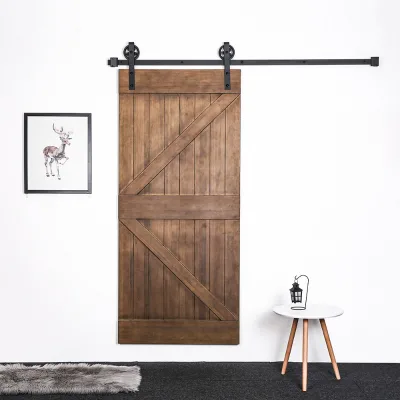
The market offers a variety of configurations, from single-track systems to more complex multi-door arrangements. Procurement teams need to distinguish between bottom-guided systems and top-hung tracks, as each presents different installation challenges and maintenance requirements. Top-hung hardware is often preferred for bedrooms because it eliminates floor tracks that can trap dust and debris, creating a cleaner look and easier cleaning routine. However, this choice shifts the structural load entirely to the wall or header, necessitating rigorous verification of mounting points and track strength to prevent long-term failure.
Product Scope and Observed Listing Signals
Current market listings indicate a price range of approximately 8 to 80 USD, reflecting significant variation in material quality, track length, and included components. This wide spectrum suggests that buyers should not assume uniform performance across all price points. Lower-cost options may utilize basic steel alloys with minimal surface treatment, while higher-priced units often feature enhanced corrosion resistance, precision-engineered bearings, and complete installation kits. The observed minimum order quantity (MOQ) ranges from 1 to 500 units, indicating that suppliers cater to both individual renovators and large-scale construction projects, allowing for flexible procurement strategies based on project scale.
Key product attributes frequently highlighted in listings include the use of Q235 steel and POM nylon for critical wear components. The combination of steel for structural integrity and nylon for rollers helps reduce noise and wear on the track. Many suppliers offer customization options, allowing buyers to specify track lengths, such as 2-meter whole tracks or 1-meter jointed tracks, to fit specific bedroom dimensions. Additionally, the availability of splittable designs and various door styles, including single, sliding, folding, and automatic options, provides versatility for different architectural layouts and user preferences.
Technical Specifications to Verify
Verifying the material composition is the first step in ensuring long-term durability. Buyers should confirm that the primary structural elements are made from Q235 steel, a standard carbon structural steel known for its strength and weldability. The rollers, which are critical for smooth operation, should be constructed from POM nylon or similar high-performance polymers to minimize friction and noise. It is essential to verify that the steel components undergo appropriate surface treatments, such as zinc plating, to prevent rust and corrosion, especially in environments with varying humidity levels. The bearing type should also be specified, with steel bearings being a common and reliable choice for heavy-duty applications.
Track configuration and installation requirements are equally critical. The standard track lengths observed are 2 meters for continuous runs or 1-meter sections that can be jointed for longer spans. Buyers must ensure that the selected hardware supports the intended door style, whether it is a single sliding door or a more complex automatic or folding system. The installation process should be straightforward, with clear instructions provided. However, buyers should verify the weight capacity of the specific model, as bedroom doors can vary significantly in weight depending on the material used for the door panel itself. Models like BDH and BL1001 represent specific designations that may have unique load-bearing characteristics.
Compliance and Safety Documentation
While specific certification requirements can vary by region, many suppliers provide documentation indicating compliance with international standards. Common certifications observed in the market include ISO, SGS, and CE marks, which suggest adherence to quality management systems and safety regulations. Buyers should request copies of these certificates to verify their validity and ensure they cover the specific product lines being purchased. The presence of ISO 9001 certification indicates a structured quality management system, while SGS testing often relates to material safety and performance standards.
Safety is paramount when dealing with overhead moving parts. Buyers must ensure that the hardware includes appropriate safety features, such as anti-jump devices that prevent the door from derailing from the track. Additionally, the surface treatment of the hardware should be non-toxic and safe for indoor use. It is advisable to verify that the materials used, particularly the nylon rollers and any plastic components, meet relevant indoor air quality standards to prevent the emission of volatile organic compounds. Warranty terms, often ranging from 1 to 3 years, should also be clearly documented, providing a safety net against manufacturing defects.
Cost Drivers and Commercial Terms
Several factors influence the final cost of Bedroom Barn Door Hardware. The primary driver is the material quality, with higher-grade steel and precision-molded nylon rollers commanding a premium. Surface treatments, such as zinc plating or satin/high-polished finishes, also add to the cost but enhance durability and aesthetic appeal. Track length and configuration are significant cost factors, as longer or custom-cut tracks require more material and specialized manufacturing processes. Buyers should also consider the completeness of the kit; packages that include all necessary mounting hardware, installation tools, and detailed instructions may have a higher upfront cost but reduce installation errors and additional purchases.
Commercial terms such as lead time and shipping methods impact the overall procurement strategy. Typical delivery dates range from 8 to 20 days, depending on the order size and customization requirements. Buyers should plan their procurement timeline accordingly to avoid project delays. Shipping options, including DHL, UPS, EMS, FedEx, and TNT, offer various speeds and costs. For urgent projects, expedited shipping may be necessary, while larger orders can benefit from standard shipping to reduce costs. Packaging is typically standardized, with polybags inside cartons to protect the hardware during transit, ensuring that components arrive in good condition.
Supplier Qualification and Quality Control
Selecting a reliable supplier is crucial for obtaining high-quality hardware. Buyers should verify the supplier’s location and production capabilities, with many reputable manufacturers based in regions like Shenzhen, Guangdong, known for their manufacturing expertise. It is important to assess the supplier’s ability to provide customization, as many projects require specific track lengths or finishes. Suppliers that offer customerized options demonstrate flexibility and a commitment to meeting diverse client needs. Additionally, buyers should inquire about the supplier’s quality control processes, including in-house testing and inspection protocols.
Quality control should extend beyond the final product to include raw material verification. Buyers should request information on the source of the steel and nylon components to ensure consistency and reliability. Suppliers that provide detailed product specifications, including model numbers like BDH-07, allow for easier tracking and comparison of different product lines. It is also advisable to check the supplier’s export experience and market reach, as suppliers with a global presence are often more familiar with international standards and customer expectations. Establishing a clear communication channel with the supplier can help resolve any issues quickly and ensure a smooth procurement process.
Long-Term Procurement Checks
Establishing a long-term relationship with a supplier requires ongoing monitoring of product performance and service quality. Buyers should implement a system for tracking the performance of the hardware after installation, noting any issues with noise, wear, or durability. This feedback loop can help identify potential defects early and provide valuable data for future procurement decisions. Regular audits of the supplier’s quality control processes can also help ensure that product standards are maintained over time. Buyers should also stay informed about any updates in industry standards or regulations that may affect the product.
Maintenance and support are key aspects of long-term procurement. Buyers should verify the availability of spare parts, such as replacement rollers or track sections, to extend the life of the hardware. Suppliers that offer comprehensive warranty support and responsive customer service are preferable, as they can assist with any issues that arise after installation. Additionally, buyers should consider the scalability of the supplier’s production capacity, ensuring that they can meet future demand without compromising quality. By maintaining a proactive approach to supplier management, buyers can ensure a steady supply of high-quality Bedroom Barn Door Hardware for their projects.
FAQs
What materials are used in Bedroom Barn Door Hardware kits?
Most kits listed are made from steel Q235 with nylon rollers, and some listings note POM nylon components. Steel provides the track and mounting strength, while nylon rollers reduce noise and wear during sliding. Surface treatments such as zinc plating and black finishes are common. Always confirm the exact material specification with the supplier before ordering, since individual products may vary.
Can the track length be customized for different door sizes?
Yes, many suppliers offer customization, and listed track standards include a 2 meter whole track or a 1 meter jointed track. Some listings note the hardware is splittable, which can simplify shipping and installation. Measure your door width and wall space first, then confirm with the supplier whether custom track lengths or jointed configurations are available for your order.
How long does delivery usually take for barn door hardware orders?
Listed delivery dates generally range from 8 to 20 days depending on the product and order details. Customization, order volume, and destination can extend this timeline. Confirm the exact production and shipping schedule with the supplier before placing an order, and note that some listings mention express shipping options such as DHL, UPS, EMS, FedEx, and TNT.
How is Bedroom Barn Door Hardware packed for shipping?
Listings describe several packing methods: polybag first, then carton and pallet; plastic bag first, then cartons; or one set in one carton. Standard carton packaging is also common. Packing affects protection during transit and container loading efficiency, so confirm the packing arrangement with the supplier, especially for larger wholesale orders that ship by pallet or container.
What warranty terms are typically offered on barn door hardware?
Listed warranties range from 1 year to 3 years depending on the product. Warranty coverage usually addresses manufacturing defects, but exact terms differ by supplier. Ask the supplier to state the warranty period, what is covered, and the claims process in writing before ordering. Certification listings such as ISO or SGS may also indicate quality management practices.
Which certifications should I look for when sourcing barn door hardware?
Listings commonly mention ISO certification, and some reference SGS or ISO9001 quality standards. These indicate that the manufacturer follows recognized quality management systems. Certification needs depend on your destination market, so confirm which certificates your market requires and request copies of valid certificates from the supplier before committing to an order.
Can Bedroom Barn Door Hardware be used for gates or automatic doors?
Some listed products note usage for sliding gates, sliding doors, and automatic gates in addition to interior doors. However, gate and automatic applications may require higher load capacity and different mounting hardware than bedroom door kits. Check the rated usage, bearing type, and load specifications with the supplier to ensure the hardware suits your intended application.
How easy is installation of a sliding barn door hardware kit?
Listings describe installation as fast and easy or simple, and kits typically include a wall mount track with rollers and bearings. Installation involves mounting the track to the wall, attaching hangers to the door, and adding floor guides. Verify the included hardware, required tools, and wall type suitability with the supplier, since masonry or stud walls may need different anchors.